
What Counts as a Hit-and-Run in Arizona
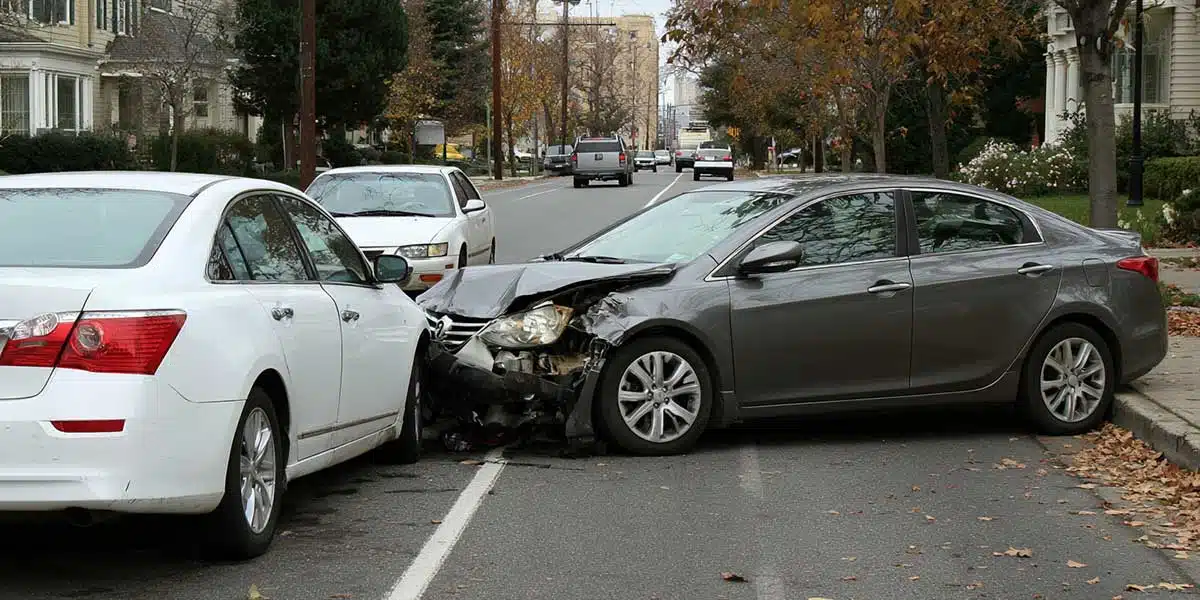
Under A.R.S. § 28-661, any driver involved in a crash that injures or kills someone must stop at the scene, give their name and information, and render reasonable aid. A driver who leaves instead has committed a felony hit-and-run. That is the criminal side, and it is handled by police and prosecutors.
Your injury claim is separate. You do not need the driver to be caught or convicted to recover compensation, and you do not need to wait for the criminal case to resolve. The two run on different tracks.
Yes, You Can Still Get Compensated, Even If the Driver Is Never Found
This is the part most people do not know. In Arizona, a hit-and-run by an unidentified driver is treated as an uninsured motorist claim. The law treats a driver who flees as, for practical purposes, the same as a driver with no insurance, because there is no policy you can reach. So your recovery shifts to your own uninsured motorist coverage, which exists for exactly this situation.
How Uninsured Motorist Coverage Pays After a Hit-and-Run
Arizona does not force you to buy uninsured motorist (UM) coverage, but under A.R.S. § 20-259.01, every insurer must offer it, and you can only decline it in writing. That means a lot of drivers carry UM coverage without realizing it. Check your declarations page, because if you never signed a written rejection, you very likely have it.
When it applies, UM coverage can pay for your medical bills, lost income, and pain and suffering, the same categories you could pursue from an at-fault driver who carried insurance. Depending on the policy, it can also cover passengers in your vehicle and resident family members in your household.
The Catch: Why Insurers Fight Hit-and-Run Claims
Here is where my years on the insurance side matter. A UM claim is a claim against your own insurance company, and despite the friendly ads, that company’s incentive is still to pay as little as possible. With a fleeing driver, there is no one to verify your account, and insurers use that to their advantage. They lean on a few requirements built into most policies:
- Prompt reporting. Most policies require you to report the hit-and-run to police quickly, often within 24 hours, and to notify the insurer promptly. Miss those windows and they will try to deny the claim outright.
- Corroboration of the phantom vehicle. Insurers typically demand independent proof that the other vehicle existed: witness statements, camera footage, or physical evidence and damage patterns consistent with your account.
- Physical contact. Some policies require that the fleeing vehicle actually touched your car. A situation where you swerve to avoid a car that never makes contact can fall outside coverage under those policies.
If an insurer unreasonably denies, delays, or underpays a legitimate UM claim, Arizona law allows a first-party bad faith action against them. These are the same delay-and-deny tactics covered in our guide on how insurance companies investigate Phoenix claims.
What to Do After a Hit-and-Run in Phoenix
What you do in the first hour can decide whether your claim survives:
- Get to safety, check for injuries, and call 911 right away.
- Report the crash to police immediately, and in all cases within 24 hours, so there is an official report on record. This is often a hard requirement for UM coverage.
- Write down everything you remember about the other vehicle: make, model, color, partial plate, and direction of travel.
- Look for witnesses and get their contact information before they leave. Check nearby businesses, homes, and traffic poles for cameras.
- Photograph the scene, your vehicle, the damage, and your injuries.
- Get medical care right away, even if you feel okay.
- Notify your own insurer, but be careful. Do not give a recorded statement or guess at facts before talking to a lawyer.
For the full checklist, see our guide on what to do after a car accident.
How We Handle Phoenix Hit-and-Run Claims
When we take a Phoenix hit-and-run case, we move fast to lock in the things insurers use to deny these claims. We track down witnesses and pull nearby camera footage to corroborate the phantom vehicle before it disappears. We make sure the police report and notice deadlines are met. Then we deal with your insurer directly, and if they treat your own UM claim unreasonably, we are prepared to pursue a bad faith action.
Our firm has recovered tens of millions of dollars for injured Arizonans, and our case results show what it looks like to push back instead of accepting a denial. You generally have two years to bring a claim under the Arizona statute of limitations, but your policy’s UM notice requirements can bite much sooner, so the time to act is now.
Frequently Asked Questions
Can I get compensated if the hit-and-run driver is never found?
Often, yes. Arizona treats an unidentified hit-and-run driver as an uninsured motorist, so your own uninsured motorist coverage can pay your medical bills, lost wages, and pain and suffering, even if the driver is never caught.
Do I have uninsured motorist coverage?
You likely do unless you rejected it in writing. Under A.R.S. § 20-259.01, insurers must offer UM coverage, and a valid waiver requires your written signature. Check your declarations page, or ask us to review your policy.
How soon do I have to report a hit-and-run in Arizona?
As soon as possible. Most UM policies require reporting to police within 24 hours and prompt notice to your insurer. Missing those deadlines is one of the most common reasons hit-and-run claims get denied.
What if the other car never actually touched mine?
Some policies cover these phantom vehicle situations and some require physical contact between the vehicles. Whether you can recover depends on your specific policy language, which is worth having a lawyer review.
Will filing a uninsured motorist claim raise my rates?
In Arizona, insurers generally cannot raise your rates over a claim where you were not at fault, and a hit-and-run is not your fault. Worry about rates should not stop you from using coverage you already paid for.
How long do I have to file a hit-and-run injury claim in Arizona?
Generally two years from the date of the crash under the Arizona statute of limitations, but your policy’s uninsured motorist notice deadlines can require action within days. Do not wait.
Talk to a Phoenix Hit-and-Run Lawyer Who Knows the Other Side
If you were hurt by a driver who fled, do not assume you are out of options, and do not let your own insurer talk you into a quick, low settlement. We will track down the evidence, handle the uninsured motorist claim, and hold your insurer to what it owes. Your consultation is free, there are no upfront costs, and you pay no fee unless we win. Our Net Recovery Guarantee means you will never take home less than our firm does in fees.
Runion Personal Injury Lawyers
3200 N Central Ave Suite 1100, Phoenix, AZ 85012
(602) 825-3502, available 24/7

Derick Runion is the founding partner of Runion Personal Injury Lawyers, licensed to practice in Arizona and the U.S. District Court, District of Arizona. He founded the firm in 2011 after working in the life insurance industry, where he saw insurers use tactics like post-claims underwriting to deny families the benefits they’d paid for, an experience that pushed him to represent injury victims instead. Since then, he’s helped recover more than $50 million for clients, maintaining a 99 percent case success rate. A Super Lawyers Rising Star (2021) and Arizona State University graduate, Derick is bilingual in English and Spanish.